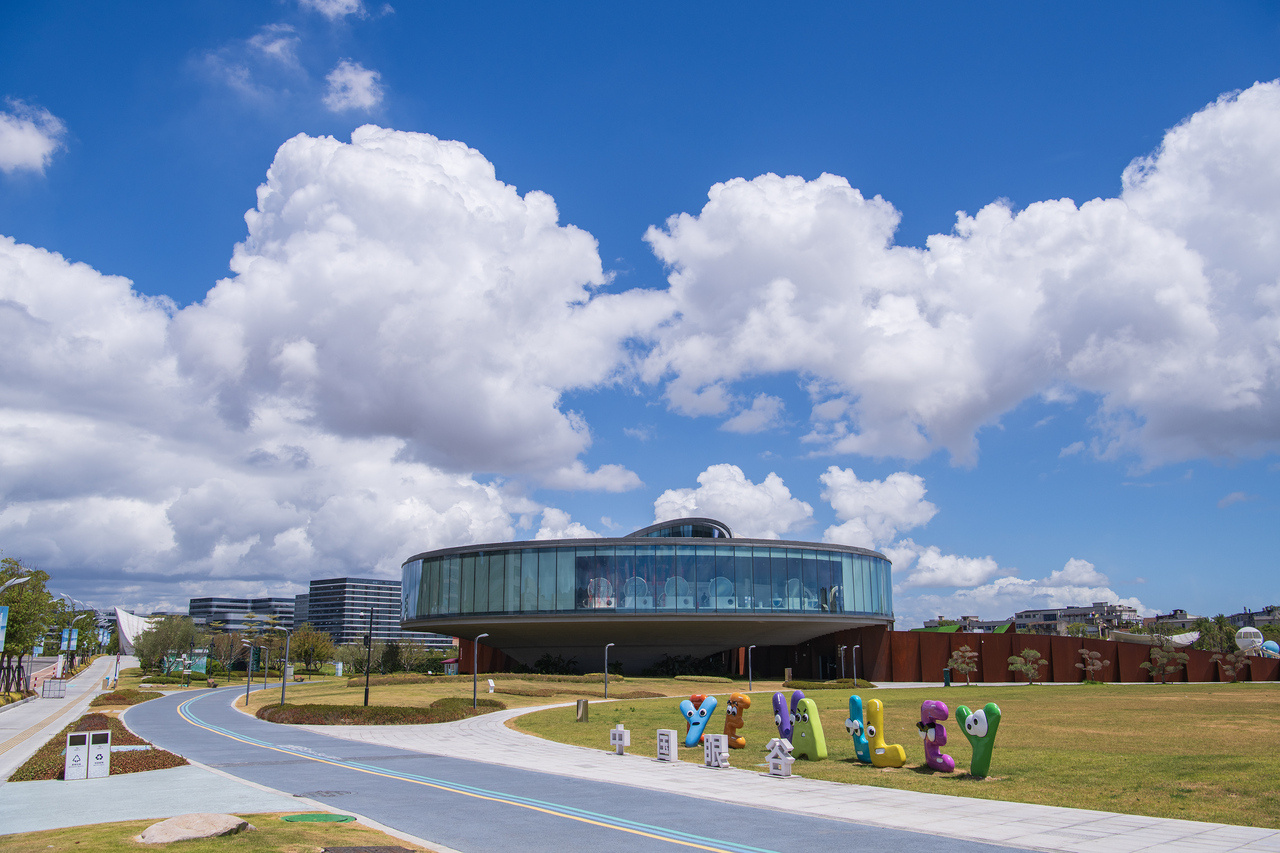
第二届全球技术创新大赛“眼脑健康”专题赛暨2026中国眼谷眼视光创新创业全球挑战赛
赛事指南
一、参赛对象
本次赛事重点面向在眼脑健康领域深耕细作的全球高校科研团队、企业及社会创新主体,聚焦新质生产力与前沿科技领域,鼓励具有产业化前景的创新性、技术突破性项目和人才团队项目。
二、参赛要求
1.参赛项目(团队或企业)应符合全球技术创新大赛和“眼脑健康”专题赛定位。
2.参赛项目需具有全球领先的技术、产品或服务,具有较好的经济效益和社会效益,具有较成熟的商业模式,企业或项目未来5年发展呈现上升趋势,有发展成为创新型中小企业、高新技术企业、专精特新中小企业、专精特新“小巨人”企业等潜质。
3.参赛团队应包含眼脑健康领域专家或产业专家,组织架构配备合理、有清晰财务规划和融资计划,拥有明晰确权的高价值知识产权等。
三、参赛赛题
本次赛事聚焦“眼脑健康”,主要布局三个前沿赛道:
赛道一:精密仪器与尖端装备
本赛道针对眼科高端设备昂贵、操作门槛高、基层误诊率高、设备数据互通不足等问题,依托精密制造、影像技术、新材料及机器人技术,推动眼科诊疗设备高精度化、便携化、智能化升级,夯实眼脑疾病临床诊疗硬件基础。重点征集方向如下:
1.影像辅助诊疗设备:适配OCT、眼底相机、超声生物显微镜等设备,研发专业化影像辅助诊断模块,实现眼部病灶精准标注与量化分析,配套影像增强技术,提升低质量影像诊断效果,降低基层误诊率。
2.全眼脑一体化诊断设备:整合前后段眼部成像技术,实现多类眼病及关联脑部病变同步筛查,提升诊疗精准度、灵敏度与特异度;结合5G传输技术,搭建基层远程诊断体系,弥补基层优质诊疗资源短板。
3.眼科手术辅助机器人:具备术前手术方案规划、术中实时导航与器械微调功能,依托高精度操作、震颤过滤技术,降低手术并发症风险;采用模块化设计,适配白内障、青光眼、眼底等多类眼科手术场景。
4.便携式筛查设备:研发轻量化验光仪、眼压监测仪、眼底照相机等便携设备,集成自动化检测与数据分析功能,适配基层体检、居家监测、户外筛查等普惠诊疗场景。
5.新型眼内植入材料:依托仿真设计与材料优化技术,研发高生物相容性、高安全性的新型人工晶体、功能性镜片、眼内修复植入材料,优化眼部矫正与修复效果。
6.体外诊断检测产品:围绕眼脑疾病筛查与病程监测,开发基于泪液、血液、口腔上皮细胞等样本的高灵敏度体外检测产品,实现疾病快速筛查与疗效评估。
赛道二:创新药与再生医疗
本赛道针对眼脑疾病药物研发周期长、成本高、靶点精准度不足、人体病理模拟难度大等痛点,围绕靶点挖掘、药物研发、递送技术、临床试验优化、精准用药等全链条创新,助力眼脑疾病新药与再生医疗技术落地应用。重点征集方向如下:
1.多组学疾病靶点挖掘:整合基因组、蛋白质组、临床表型等多组学数据,挖掘眼脑疾病全新治疗靶点;依托药理数据库梳理现有药物作用机制,实现老药新用;通过疾病仿真模型模拟病变进程,验证靶点干预效果。
2.新型药物分子研发与安全评估:依托化合物库筛选、分子结构优化技术,开发高活性、高安全性的眼脑疾病候选药物;结合构效关系、药代动力学研究,评估药物眼部渗透性、血眼屏障穿透能力,规避药物毒副作用,建立用药风险预警机制。
3.精准药物递送技术:针对眼部药物渗透弱、利用率低的问题,优化纳米载药、缓释给药体系,结合眼部生理特征改良递送方案,提升药物眼部吸收效率与治疗效果。
4.临床前与临床试验优化:搭建眼部组织仿真模型,替代部分动物实验,缩短研发周期、降低成本;建立标准化受试者筛选与分组体系,优化临床试验流程,依托影像量化工具精准评估药物疗效。
5.个体化精准用药:结合患者基因特征、病程特点、用药史,制定个性化用药方案与给药剂量,实现眼脑疾病精准治疗,提升疗效、降低用药风险。
赛道三:脑机接口与智慧医疗
本赛道聚焦眼脑医疗数据割裂、服务碎片化、随访效率低、区域资源不均、康复服务不足等问题,依托大数据、物联网、脑机接口、AR交互等技术,构建“筛查-诊断-治疗-康复-管理”全流程数字化智慧医疗体系。重点征集方向如下:
1.眼脑康复脑机接口装备:依托脑机接口技术,研发视神经、脑神经损伤适配的康复辅助硬件,助力眼脑功能损伤人群恢复生理功能、改善生活自理能力。
2.眼脑健康数据融合平台:整合电子病历、影像资料、基因数据、健康行为等多源信息,构建个人眼脑健康数字档案,实现疾病风险预判、早期干预,降低重症发病率与医疗成本。
3.智能诊疗决策体系:结合眼底指标、身体参数、基因与用眼习惯,搭建眼病、视神经病变风险预警与防控模型;优化分级诊疗与跨区域转诊机制,提升医疗资源配置效率。
4.智慧便民服务终端:开发自动化随访系统、智能导诊AR设备,实现术后随访、用药提醒、院内导航、就医指引等智能化服务,提升就医体验与随访效率。
5.智能康复管理系统:联动可穿戴监测设备,实时监测眼压、视力、神经状态等指标,预判并发症风险,动态调整个性化康复方案,实现闭环式康复管理。
6.普惠医疗创新应用:搭建基层筛查、云端分析、专家复核的远程诊疗协作平台,提升基层眼病检出率与诊疗效率;研发视障人群智能导航设备,依托感知与脑机技术,助力视障人群安全出行。
四、报名方式
大赛官网在线报名:https://reg.gticcn.com/business/
五、赛事奖励
1.参赛奖金
专题赛设置一等奖1名、二等奖2名、三等奖3名。项目获奖后分别给予10万元、5万元、3万元项目奖金。
| 奖项 |
名额 |
每个项目奖金 |
| 一等奖 |
1 |
人民币10万元 |
| 二等奖 |
2 |
人民币5万元 |
| 三等奖 |
3 |
人民币3万元 |
2.参赛补贴
| 参赛单位 |
补贴 |
| 国际(非亚洲区) |
人民币5000元/项目 |
| 国际(亚洲区) |
人民币3000元/项目 |
| 浙江省外 |
人民币2000元/项目 |
| 浙江省内(温州市外) |
人民币1000元/项目 |
2nd Global Technology Innovation Competition, Eye and Brain Health Track & 2026 China Eye Valley Global Innovation and Entrepreneurship Challenge in Ophthalmology and Optometry
EVENT GUIDE
Ⅰ.ELIGIBILITY
This competition primarily targets university research teams, enterprises, and social innovation organizations worldwide that specialize in eye and brain health. Focusing on new quality productive forces and cutting-edge technologies, it welcomes innovative projects featuring technological breakthroughs and strong commercialization potential, as well as projects led by high-caliber teams.
Ⅱ.REQUIREMENTS
1.Participating projects, whether submitted by teams or enterprises, must align with the objectives of the Global Technology Innovation Competition and its Eye-Brain Health Special Competition.
2.Participating projects should feature globally leading technologies, products, or services; demonstrate strong economic and social value; and have a relatively mature business model. The enterprise or project should show a positive growth trajectory over the next five years and have the potential to develop into an innovative SME, a high-tech enterprise, a specialized and innovative SME, or a specialized and innovative “Little Giant” enterprise.
3.Each participating team should include experts in eye and brain health or relevant industries, have a sound organizational structure, clear financial and financing plans, and high-value intellectual property with clearly established ownership.
Ⅲ.COMPETITION TRACKS
Focusing on eye and brain health, the competition features three cutting-edge tracks:
Track 1: Precision Instruments and Advanced Equipment
This track addresses the high cost and complexity of advanced ophthalmic equipment, high misdiagnosis rates at primary healthcare institutions, and insufficient interoperability among devices. By leveraging precision manufacturing, imaging technologies, new materials, and robotics, it aims to make ophthalmic diagnostic and treatment equipment more precise, portable, and intelligent, thereby strengthening the hardware foundation for the clinical diagnosis and treatment of eye and brain disorders. Priority areas include:
1.Image-Assisted Diagnostic Equipment
Develop specialized image-assisted diagnostic modules compatible with OCT systems, fundus cameras, ultrasound biomicroscopes, and other devices to enable accurate annotation and quantitative analysis of ocular lesions. Incorporate image-enhancement technologies to improve diagnostic performance when image quality is poor and reduce misdiagnosis rates in primary healthcare settings.
2.Integrated Whole-Eye and Brain Diagnostic Equipment
Integrate anterior- and posterior-segment ocular imaging technologies to enable simultaneous screening for multiple eye diseases and related brain lesions, improving diagnostic accuracy, sensitivity, and specificity. Combine these systems with 5G transmission technology to establish remote diagnostic services for primary healthcare institutions and help address shortages of high-quality local medical resources.
3.Robotic Systems for Ophthalmic Surgery
Develop robotic systems capable of preoperative procedure planning, real-time intraoperative navigation, and fine control of surgical instruments. Use high-precision operation and tremor-filtering technologies to reduce the risk of surgical complications, and adopt modular designs that support cataract, glaucoma, retinal, and other ophthalmic procedures.
4.Portable Screening Devices
Develop lightweight, portable devices such as refractometers, intraocular pressure monitors, and fundus cameras. Integrate automated testing and data-analysis functions for use in primary care examinations, home monitoring, outdoor screening, and other accessible healthcare settings.
5.Novel Intraocular Implant Materials
Use biomimetic design and material-optimization technologies to develop new intraocular lenses, functional lenses, and intraocular repair implants with high biocompatibility and safety, improving ocular correction and repair outcomes.
6.In Vitro Diagnostic Products
Develop highly sensitive in vitro diagnostic products using samples such as tears, blood, and oral epithelial cells to support the screening and disease-course monitoring of eye and brain disorders, enabling rapid detection and assessment of treatment efficacy.
Track 2: Innovative Pharmaceuticals and Regenerative Medicine
This track addresses long development cycles, high costs, insufficient target specificity, and the difficulty of modeling human pathology in drug development for eye and brain disorders. It supports innovation across the entire value chain, including target discovery, drug development, delivery technologies, clinical-trial optimization, and precision medication, to accelerate the practical application of new drugs and regenerative medical technologies. Priority areas include:
1.Multi-Omics Therapeutic Target Discovery
Integrate multi-omics data, including genomic, proteomic, and clinical-phenotype data, to identify novel therapeutic targets for eye and brain disorders. Use pharmacological databases to analyze the mechanisms of existing drugs and support drug repurposing. Apply disease-simulation models to reproduce disease progression and evaluate the effects of target interventions.
2.Novel Drug-Molecule Development and Safety Assessment
Use compound-library screening and molecular-structure optimization to develop highly active candidate drugs with strong safety profiles for eye and brain disorders. Conduct structure-activity relationship and pharmacokinetic studies to assess ocular permeability and the ability to cross the blood-ocular barrier, minimize toxic and adverse effects, and establish early-warning mechanisms for medication-related risks.
3.Precision Drug-Delivery Technologies
Address poor ocular penetration and low bioavailability by optimizing nanoparticle-based drug carriers and sustained-release delivery systems. Tailor delivery methods to ocular physiology to improve ocular absorption and therapeutic outcomes.
4.Preclinical and Clinical-Trial Optimization
Develop models that simulate ocular tissues to replace some animal experiments, shorten development cycles, and reduce costs. Establish standardized participant-screening and grouping systems, optimize clinical-trial processes, and use quantitative imaging tools to accurately assess treatment efficacy.
5.Personalized Precision Medication
Develop individualized medication regimens and dosages based on each patient’s genetic characteristics, disease course, and medication history, enabling precision treatment of eye and brain disorders while improving efficacy and reducing medication-related risks.
Track 3: Brain-Computer Interfaces and Smart Healthcare
This track focuses on disconnected eye and brain health data, fragmented healthcare services, inefficient follow-up, regional disparities in medical resources, and inadequate rehabilitation services. Using big data, the Internet of Things, brain-computer interfaces, and augmented-reality interaction technologies, it aims to build an end-to-end digital smart-healthcare system covering screening, diagnosis, treatment, rehabilitation, and management. Priority areas include:
1.Brain-Computer Interface Devices for Eye and Brain Rehabilitation
Develop brain-computer-interface-based rehabilitation hardware for people with optic-nerve or cranial-nerve injuries, helping individuals with impaired eye and brain functions restore physiological function and improve their ability to live independently.
2.Integrated Eye and Brain Health Data Platforms
Integrate data from electronic medical records, medical imaging, genetic information, health behaviors, and other sources to build individual digital eye and brain health records. Support disease-risk prediction and early intervention to reduce the incidence of severe disease and lower healthcare costs.
3.Intelligent Clinical Decision-Support Systems
Combine fundus indicators, physiological parameters, genetic information, and visual habits to build risk-warning, prevention, and control models for eye diseases and optic-nerve disorders. Improve tiered diagnosis and treatment and cross-regional referral mechanisms to make the allocation of medical resources more efficient.
4.Smart Patient-Service Terminals
Develop automated follow-up systems and AR-enabled intelligent triage and wayfinding devices that provide postoperative follow-up, medication reminders, hospital navigation, and care guidance, improving the patient experience and follow-up efficiency.
5.Intelligent Rehabilitation-Management Systems
Connect with wearable monitoring devices to track intraocular pressure, visual acuity, neurological status, and other indicators in real time; predict the risk of complications; and dynamically adjust individualized rehabilitation plans to provide closed-loop rehabilitation management.
6.Innovative Applications for Accessible Healthcare
Build collaborative telemedicine platforms that combine local screening, cloud-based analysis, and specialist review to improve the detection and treatment of eye diseases at primary healthcare institutions. Develop intelligent navigation devices for people with visual impairments, using sensing and brain-computer-interface technologies to support safer mobility.
Ⅳ.REGISTRATION METHOD
Register online on the official competition website:
https://reg.gticcn.com/business/
Ⅴ.COMPETITION PRIZES AND SUBSIDIES
1.Cash Prizes
The special competition will award one First Prize, two Second Prizes, and three Third Prizes. Each winning project will receive RMB 100,000, RMB 50,000, or RMB 30,000, respectively.
| Prize |
Number of Awards |
Award per Project |
| First Prize |
1 |
RMB 100,000 |
| Second Prize |
2 |
RMB 50,000 |
| Third Prize |
3 |
RMB 30,000 |
2.Participation Subsidies
| Participating Organization |
Subsidy |
| International (outside Asia) |
RMB 5,000 per project |
| International (within Asia) |
RMB 3,000 per project |
| Outside Zhejiang Province |
RMB 2,000 per project |
| Within Zhejiang Province but outside Wenzhou |
RMB 1,000 per project |